Penge Lane house removals to Anerley top local tips
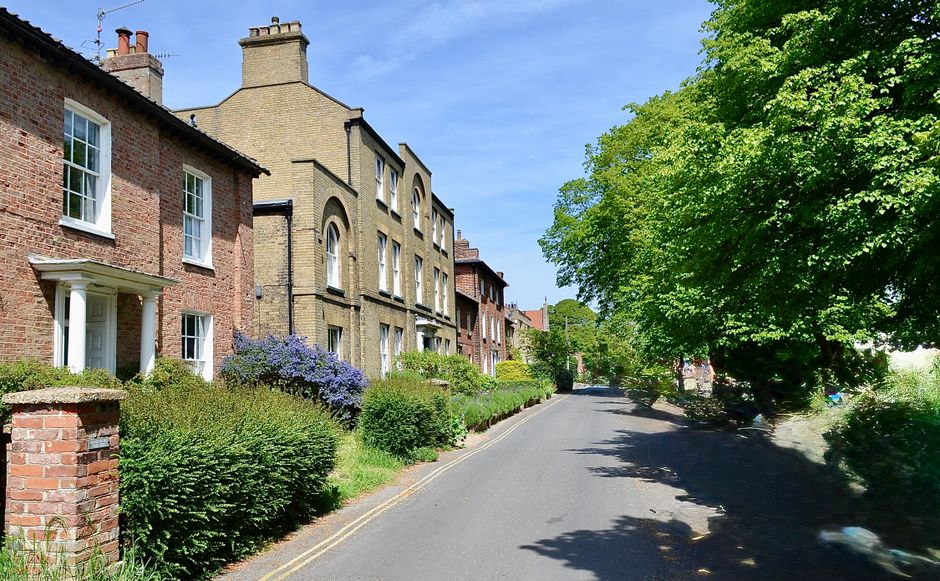
If you are planning Penge Lane house removals to Anerley, the move may look short on a map, but the detail is where things can get messy. Parking, access, timing, packing, stairs, weather, and the simple fact that two busy London streets rarely behave exactly as expected can all affect the day. The good news? With a bit of local know-how, you can keep the move calm, efficient, and far less stressful than most people imagine.
This guide brings together the practical side of moving from Penge Lane to Anerley: what tends to matter most, how the process usually works, what to watch out for, and the top local tips that can save time and frustration. A lot of removals pain comes from small oversights, not big disasters. Let's fix the small stuff first.
- Why this local move matters
- How the move usually works
- Key benefits and practical advantages
- Who this is for and when it makes sense
- Step-by-step guidance
- Expert tips for better results
- Common mistakes to avoid
- Tools, resources and recommendations
- Law, compliance, standards, or best practice
- Options, methods, or comparison table
- Case study or real-world example
- Practical checklist
- Conclusion
- Frequently asked questions
Why Penge Lane house removals to Anerley top local tips Matters
A short move can still have a long list of moving parts. That is especially true in south-east London, where road width, parked cars, school traffic, rail crossings, and narrow residential access can change the shape of the day in very ordinary ways. If you are moving from Penge Lane to Anerley, local timing and access planning can be just as important as the packing itself.
The phrase top local tips really means this: know the route, know the street conditions, and know what could slow a van down. You do not need to overcomplicate it. But you do need to think a little beyond boxes and tape. For example, can the vehicle stop close to the front door? Is there room for a large removal van, or would a smaller vehicle be easier? Will neighbours need warning if loading might block part of the street?
In our experience, the smoothest local moves are rarely the fanciest ones. They are the ones where the customer has checked access, labelled boxes properly, and left enough breathing room for the unexpected. That is the difference between a tidy move and a day of constant little interruptions. And honestly, those interruptions are what wear people out.
Practical takeaway: For a short-distance house move, the biggest wins often come from access planning, clear labelling, and choosing the right vehicle size rather than from anything dramatic.
How Penge Lane house removals to Anerley top local tips Works
The process is usually straightforward, but there are a few stages where good planning pays off. A local house move normally begins with an assessment of what is being moved, the type of property involved, and the parking or loading situation at both ends. From there, you can decide whether you need full packing help, a man and van service, or a larger removal team with a moving truck.
For a Penge Lane to Anerley relocation, the route itself may be short, but the way the move is handled still matters. A quick journey does not remove the need for padding, careful lifting, or insurance awareness. A sofa still has to turn corners. A chest of drawers still needs protecting. And a rainy morning can still make front steps slippery, which seems obvious until someone is carrying a washing machine across them.
Most removals follow a pattern like this:
- Initial enquiry and details check.
- Survey of items, access, and timing needs.
- Quote or price estimate based on labour, vehicle, and service level.
- Packing, dismantling, and preparation if required.
- Loading at the old property, transport, and unloading at the new one.
- Placement of furniture and final checks once everything is inside.
That sounds simple enough, but a few local details can affect the shape of the day. For instance, if your old or new home sits on a tighter residential road, a smaller van may be the smarter choice. If you are moving a family home with beds, wardrobes, and a mix of fragile items, a fuller service may save a lot of energy and second-guessing. There is no one-size-fits-all answer, which is a bit annoying, but true.
If you want a broader overview of what a typical moving service can cover, the removal services page is a useful place to compare service levels before deciding what fits your situation.
Key Benefits and Practical Advantages
A well-managed local move between Penge Lane and Anerley offers more than just convenience. It can save time, reduce strain, and help you settle into the new place with less chaos. The biggest benefit is probably this: you do not have to treat every part of the day like a puzzle. With good planning, the moving crew can get on with the heavy lifting while you stay focused on the bits only you can handle.
Here are the practical advantages most people notice:
- Shorter travel time: A local move usually means less time on the road and fewer complications in transit.
- Easier coordination: It is simpler to arrange keys, handover times, and building access when the destination is nearby.
- Lower fatigue: Less travel pressure often means more energy left for unpacking and basic setup.
- Better control over timing: If plans change, a nearby move is generally easier to adjust.
- Reduced risk of damage: Shorter journeys can mean fewer opportunities for items to shift or be handled repeatedly.
There is also a quieter benefit people sometimes overlook: peace of mind. When your new home is only a short drive away, it is easier to pop back for forgotten items, check a meter reading, or confirm a final room layout. That sounds minor, but on moving day minor things are what keep the whole thing from tipping into stress.
If you are comparing vehicle options for a smaller household move, you may also find the man and van option useful for light to medium loads, especially where access is a little tight and flexibility matters more than a huge truck.
Who This Is For and When It Makes Sense
This type of move makes sense for a wide range of households. It is not just for people relocating a whole house in one go. In fact, many local moves are smaller and more practical than that. You might be moving from a flat on Penge Lane into a terrace in Anerley, downsizing, relocating with a young family, or simply shifting nearer to transport links, work, or school runs. All of those are valid reasons, and all of them benefit from a plan.
It is especially relevant if you:
- have furniture that needs careful handling;
- need help loading from an awkward frontage or upper floor;
- are moving on a tight schedule;
- want packing support or dismantling assistance;
- prefer a local crew that understands nearby roads and parking patterns;
- need a service that can adapt if the day shifts slightly. And it often does.
On the other hand, if you only have a small number of items, a few boxes, and maybe one or two pieces of furniture, you may not need a full-scale moving operation. A lighter arrangement can be more cost-effective, provided the service still protects your items properly. The trick is matching the service to the actual job, not the imagined one. People often overbook, then wonder why the cost feels heavy.
For customers comparing broader household moving options, home moves is a helpful related service page to understand how a full residential move is typically structured.
Step-by-Step Guidance
If you want the move to feel manageable, break it into stages. That is the simplest advice, and to be fair, it works. Here is a practical sequence you can follow.
1. Confirm both addresses and access details
Check whether there are stairs, tight turns, limited parking, low walls, shared driveways, or restricted loading areas. If a large van will struggle, say so early. It is much better to adjust the plan now than to discover it when the driver is already outside and everyone is standing around with a wardrobe.
2. Make a room-by-room inventory
You do not need a museum catalogue. Just note the large items, fragile items, and anything awkward to move. This helps the team estimate labour and vehicle space properly. It also helps you notice what can be sold, recycled, or donated before moving day.
3. Decide what level of help you need
Some people need full packing, dismantling, transport, and unpacking. Others only need lifting and driving. There is no prize for choosing the most complicated package. Choose the service that actually fits your day and your energy.
4. Pack the essentials separately
Keep medication, chargers, key documents, toiletries, a kettle, basic snacks, and a change of clothes in one clearly marked bag. That small bag can feel weirdly important around 7pm when the boxes are stacked in the wrong room and nobody wants to hunt for a phone cable.
5. Label everything clearly
Room labels are useful, but specific labels are better. "Kitchen - pans and utensils" is more helpful than just "Kitchen". The more obvious it is, the less time you will spend re-sorting boxes later.
6. Protect furniture and fragile items
Use covers, blankets, bubble wrap where needed, and sturdy tape. Pay special attention to glass, mirrors, screens, and corners. Corner damage is sneaky. It happens fast, and it is a pain afterwards.
7. Walk through the new property first
Before unloading, check where large items should go. If you know the sofa cannot fit through a narrow door unless it is turned upright, say that before the team lifts it into position. A little direction can save a lot of backtracking.
8. Finish with checks and basics
Once the load is inside, verify important items, meter readings, and any agreed placement. Then breathe. The hardest bit is over.
Expert Tips for Better Results
Here is where local experience really helps. Moving in and around Anerley is usually not difficult, but there are some habits that make the day noticeably smoother. Nothing magical. Just practical judgement.
- Book earlier for weekends and month-end dates. These slots tend to disappear fastest, and moving pressure builds up quickly.
- Use smaller boxes for books and heavy items. A giant box full of books looks efficient until it nearly breaks your back.
- Photograph cable setups before unplugging. This is especially useful for TVs, routers, and desk equipment.
- Keep hallway space clear. A tidy route in and out speeds up loading more than people realise.
- Reserve the first and last hour of the day for the unexpected. Something always needs a final check. Always.
- Ask about protective materials in advance. Blankets, straps, covers, and floor protection all help when handled properly.
One of the best local tips is simply this: do not leave parking to chance. If you are moving from a busy residential stretch or near shared parking, think about the van position before the day arrives. A few minutes spent planning a legal and practical stop point can save a lot of carrying distance.
Another small but valuable tip is to choose a move time that avoids obvious local pressure points where possible. School-run traffic, commuter peaks, and lunch-hour parking turnover can all make things feel busier than they need to be. Not always avoidable, of course. Life is not that polite. But it helps to know what you are walking into.
Common Mistakes to Avoid
Most moving problems are boringly predictable. That is actually good news, because predictable problems are easier to prevent. Here are the ones we see most often.
- Underestimating the access route: A van may be able to park nearby, but if the final carry is long or awkward, the job becomes slower and more tiring.
- Packing too late: Rushed packing leads to broken items, lost essentials, and a very irritated morning.
- Using weak boxes: Old supermarket boxes are not always wrong, but flimsy ones tend to fail at the worst possible moment.
- Forgetting to tell the crew about awkward items: Pianos, large wardrobes, tight stair turns, and garden items should all be flagged early.
- Not checking what is included: Some services include loading only, while others include wrapping, dismantling, and unpacking support.
- Leaving valuables unplanned: Documents, jewellery, and cash should never disappear into random boxes.
Another common mistake is assuming a move that looks simple on paper will feel simple on the day. It rarely does. There are children underfoot, the phone rings at the wrong time, somebody cannot find their shoes, and suddenly the kettle is in the van before the mugs. Happens all the time.
The fix is not perfection. The fix is preparation.
Tools, Resources and Recommendations
You do not need a warehouse of equipment to move well, but a few useful tools make the whole process easier. The best setup is usually practical rather than fancy.
- Strong boxes: Prefer consistent sizes for easier stacking.
- Packing tape and dispenser: Saves time and reduces weak seals.
- Marker pens and labels: Helps with room-specific organisation.
- Furniture blankets or covers: Useful for protecting wood, fabric, and paintwork.
- Utility knife or box cutter: Handy for unpacking, but keep it safely stored.
- Trolley or sack barrow: Very helpful for heavier loads, especially where the walk from van to door is longer than expected.
- Reusable bags and zip pouches: Great for screws, fixings, and small parts from dismantled furniture.
If you expect a more involved packing job, the packing and unpacking services page can help you think through what support might be worth having rather than trying to do everything yourself the night before.
It is also worth looking at wider company information when you are choosing a mover. The about us page can help build confidence, while insurance and safety and health and safety policy are useful if you want to understand how a provider approaches risk, handling, and customer protection.
For price planning, the pricing and quotes page is the right place to compare what can affect cost, such as vehicle size, labour time, access conditions, and any additional packing support. It is better to know before moving day than to have a surprise. Nobody enjoys that part.
Law, Compliance, Standards, or Best Practice
For home removals, the biggest compliance concerns are usually practical rather than dramatic. Safe lifting, road access, insurance cover, secure handling of goods, and honest service descriptions all matter. If you are booking a mover, it is sensible to check how they handle damage risk, what is included in the quote, and whether they explain exclusions clearly. That is not being difficult; that is being sensible.
There are also a few everyday best-practice points worth keeping in mind:
- Parking and loading: Always plan for legal and safe stopping points. A quick stop in the wrong place can create problems for everyone.
- Manual handling: Heavy items should be lifted with care, especially on stairs or uneven ground.
- Item protection: Wrap fragile items properly and do not overload boxes.
- Customer communication: If something changes, tell the mover early. Same goes for tricky access or additional items.
- Policies and terms: It is worth reviewing terms and conditions, payment and security, and privacy policy so you understand booking, payment, and data handling before you confirm.
If sustainability matters to you, you may also want to think about reusable packing materials, donation of unwanted furniture, and proper disposal of items that should not simply be left behind. The recycling and sustainability page is useful if you want your move to be a bit kinder to the planet without making it complicated.
One important note: if you have particularly valuable, fragile, or unusual items, ask detailed questions rather than assuming everything is covered in the same way. That is normal good practice, not overthinking.
Options, Methods, or Comparison Table
Choosing the right removal method depends on volume, access, timing, and how much help you actually want. A short move from Penge Lane to Anerley can be handled in a few different ways, and each has its own strengths.
| Option | Best for | Pros | Watch-outs |
|---|---|---|---|
| Man and van | Small to medium moves, flexible access, lighter loads | Often quicker to organise, good for short local routes, adaptable | May not suit larger households or lots of bulky furniture |
| Full house removals | Family homes, larger furniture sets, complete household moves | More hands, more support, better for complex jobs | Usually costs more and needs clearer planning |
| Packing and removals combined | Busy households, time-poor customers, fragile possessions | Saves time, reduces packing stress, often more organised | Needs booking early and clear item priorities |
| Self-packing with transport only | People who want control and have enough time | Can be more budget-conscious and flexible | Requires good packing discipline and more effort from you |
If you are not sure which method suits your move, compare the size of your furniture, the number of boxes, and how much carrying is involved. For some homes, a smaller vehicle and a focused team are perfect. For others, a broader service saves time and avoids the usual moving-day scramble.
For people comparing service types, house movers, house removals, and removals can all be useful pages to review depending on how much support you need. If it is a smaller job, removal van or moving van options may be enough.
Case Study or Real-World Example
Here is a realistic example from a typical local move. A couple moved from a first-floor flat near Penge Lane into a two-bedroom house in Anerley. Nothing unusual on paper. But the old property had a tight stairwell, limited roadside stopping room, and a heavy sofa that barely cleared the bend if carried the wrong way. The new place had slightly better access, though the front path was narrow enough to make the team think carefully about where to pause.
What made the move work well was not luck. It was the planning done the day before. The customers separated essentials, photographed the TV setup, flagged the awkward wardrobe, and let the mover know about the limited loading space. On the day, the team used a smaller vehicle rather than forcing an oversized one into a tight position. Loading was steady, not rushed. The sofa came out with proper padding, and the boxes were labelled by room, which meant the unloading side went surprisingly smoothly.
There was still one ordinary hiccup, because of course there was. A missing box of kettle bits was found in the wrong room after the second cup of tea had already been promised. Not dramatic, just very human. But the important part was that the move stayed controlled. No panic. No damage. No one collapsed into the hallway and declared it all a terrible idea.
The lesson is simple: even short moves benefit from clear information and realistic expectations. If access is tricky or the layout is awkward, say so. A good local removal plan adapts to the home, not the other way around.
Practical Checklist
Use this checklist a few days before the move. It is basic, but basic done well saves headaches.
- Confirm moving date, time, and address details.
- Check parking or loading access at both properties.
- Measure large furniture and doorways if needed.
- Separate valuables, documents, and essentials into one bag.
- Label boxes by room and content.
- Pack fragile items carefully with enough padding.
- Dismantle furniture only if it genuinely helps.
- Keep screws, bolts, and fittings in sealed pouches.
- Arrange child and pet care if the house will be busy.
- Check the weather forecast the evening before.
- Charge your phone and keep the charger with you.
- Review quote details, payment terms, and included services.
- Take meter readings before leaving the old property.
- Walk through each room one last time before the van departs.
If you want a quick reminder, the simplest approach is this: clear access, careful packing, good labels, and early communication. That combination solves more moving problems than anything else.
Get a free quote today and see how much you can save.
Conclusion
Penge Lane house removals to Anerley do not need to be complicated, but they do need to be thought through. The best local moves are the ones where access is checked, the service level fits the job, and the packing has been handled with enough care to avoid the usual rush. That is what turns a stressful day into a manageable one.
If you remember only a few things, make them these: plan parking, label clearly, keep essentials close, and choose the right removal option for the size of the move. Small details matter. They really do. And once the last box is inside and the front door shuts behind you, the whole thing tends to feel more possible than it did at the start.
For anyone moving locally between Penge Lane and Anerley, a calm, well-organised approach is usually the best investment you can make. It saves time, protects your belongings, and gives you a proper chance to settle in with your shoulders still where they belong.
Moving day may be busy, but it does not have to be brutal. A bit of planning goes a long way, and that is often enough.
Frequently Asked Questions
How far is a move from Penge Lane to Anerley usually?
It is a short local move, but the real time depends on traffic, parking, loading access, and how much you are taking. A short route can still take longer if stairs or tight roads slow things down.
Is a man and van service enough for this move?
It often is, especially for smaller homes, flats, or lighter loads. If you have several large pieces of furniture, a larger removals service may be more practical.
What should I pack separately for moving day?
Keep essentials with you: keys, phone charger, medication, documents, snacks, toiletries, and a change of clothes. It saves a lot of searching when you arrive tired and slightly dusty.
How do I know if I need packing services?
If you are short on time, have fragile items, or feel overwhelmed by the number of boxes, packing help can be worth it. It is especially useful if you want the move to run more smoothly from the start.
Should I dismantle furniture before the move?
Only if it makes moving safer or easier. Some furniture should come apart, but not everything needs to. If in doubt, ask the removal team what is sensible for the item and the property layout.
What is the biggest cause of delays on a local house move?
Access problems are a common cause. Parking restrictions, narrow doorways, awkward stairs, and poor labelling can all slow the day down more than people expect.
Do I need to check insurance before booking removals?
Yes, it is a sensible part of booking. You should understand what cover is included, what exclusions apply, and how claims would be handled if something went wrong.
How early should I book a removal company?
Earlier is usually better, especially for weekends, month-end dates, and busier moving periods. A bit of lead time gives you more choice and less pressure.
What should I ask before accepting a quote?
Ask what is included, how many people will attend, what happens with stairs or long carries, whether packing materials are provided, and whether there are extra charges for access issues or extra items.
Can I move without professional help on a short route?
Yes, if you have very little to move and enough help available. But even short routes can be demanding, so it is worth weighing the time, effort, and risk before deciding.
What if the weather is bad on moving day?
Light rain is manageable with proper protection, but wet steps and slippery surfaces need care. Keep floor coverings, covers, and sensible footwear in mind. British weather likes to be a little dramatic, doesn't it?
How can I make unpacking easier after the move?
Label boxes by room, keep essentials separate, and place furniture first before opening too many cartons. It helps create order quickly, which makes the rest of the day feel less chaotic.
Where can I learn more about local removal options?
You can compare services such as removal company, removal companies, and related service pages to see what level of help best fits your move. If you are moving a smaller load, removals near me can also be a useful starting point.